6 November 2026
In August, Davao Shows You Who Your Neighbours Will Be
Eleven peoples in one park, cacao from the market next door and a special holiday in the middle of the month. If you are testing Davao as a place to live, the festival month teaches you more about the city than any other, as long as you know what runs differently.
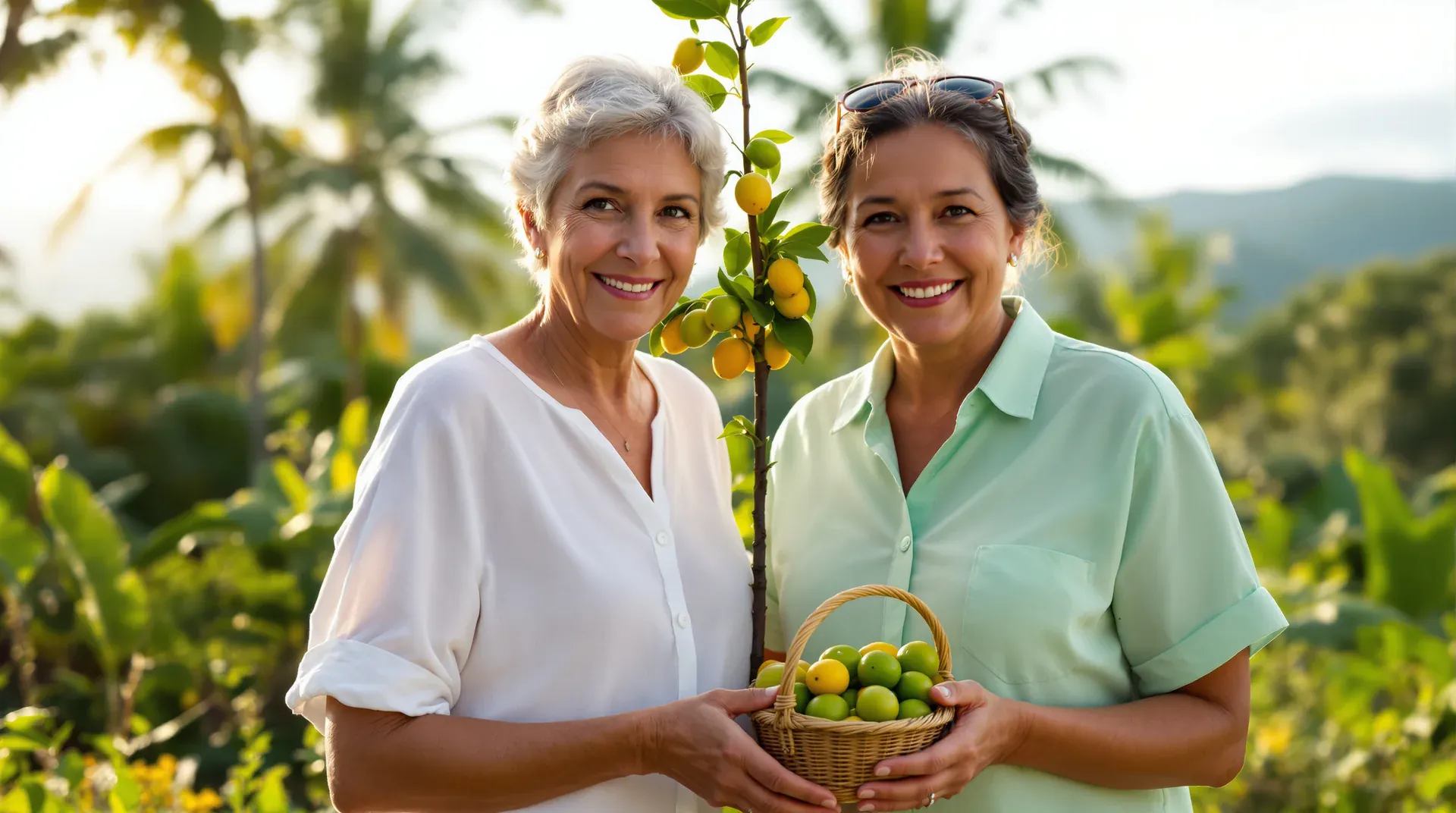
Some cities show you who they are within a week. Others only show you the front door. Davao is the second kind, except in August.
August is Kadayawan, the city's harvest and culture festival. It is also the best argument we know for timing a scouting trip, because for a few weeks the city puts everything it is proud of on the street at once.
The part that matters for you is what stays when the floats are gone: the people, the food and the way this city lives together. That is what you are really coming to see.
What Kadayawan is, and how big it was in 2026
This is not a weekend street party. According to the city's Public Safety and Security Office, the 2026 festival ran from 7 to 31 August, with the official kick-off on 7 August at Magsaysay Park. It opened with the Subang Sinugdanan ug Panagtagbo, a boat parade and re-enactment of pre-colonial traditions that tells the story of the city's peoples meeting in peace.
The 2026 theme was "We are one, KadayaONE", built on the image of the Banig sa Kagikan, a woven mat carrying the patterns of every group. The official logo carried the city's four icons: the Philippine Eagle, the Waling-Waling orchid, Mount Apo, and durian and cacao (City Tourism Operations Office). It was the 41st edition, and it was commended in the City Council afterwards as peaceful and orderly.
The day everyone photographs is the Pamulak ug Indak-Indak sa Kadayawan, the floral float and street-dancing parade. In 2026 it fell on 16 August, and the city put up its biggest prize money yet: PHP 1.5 million for the open-category street-dance grand champion and PHP 1 million for the winning large float.
Eleven peoples, eleven houses, in the middle of the city
The best part of the festival is not the parade. It is the Tribal Village at Magsaysay Park, which the city describes as a Kadayawan attraction since 2017, with eleven traditional houses:
- •six Moro groups: Tausug, Maguindanaon, Iranun, Kagan, Maranao and Sama
- •five Lumad groups: Klata, Ata, Ubo Manuvo, Matigsalog and Tagabawa
Members of each group show visitors how they cook and how their houses are built. Look for the Ata house from the highlands, whose stairs can be lifted away: without an invitation from the chieftain, nobody lowers them for you. And look for the Maranao torogan, a royal house that doubled as an assembly hall and therefore stands on massive tree trunks.
For a future neighbour this is more than folklore. These eleven peoples are the city you are moving to, and seeing how openly Davao shows where it comes from makes a great deal of daily life easier to read, starting with how people here invite you in.
The market, the cacao and the table
The other half of Davao in August happens where the city happens every day: at the market. Breakfast is puto maya, sticky rice, with sikwate, hot chocolate made from local cacao beans, and the fruit stalls are full of things most visitors have never tasted.
Calling Davao the chocolate city is not a slogan. The Department of Agriculture officially named Davao City the Cacao Capital of the Philippines in September 2020. By the department's figures, the city alone produced 2,289.74 tonnes of cacao in 2019, 38 per cent of the regional total, and the Davao Region produced 5,960.23 tonnes, 70.21 per cent of national output.
The most useful local rule holds all year: when someone invites you to eat, say yes. The best conversations here happen at the table, and there is almost always lechon on it.
If you come in August to test the city
August shows you the most of Davao in the fewest days. It is also the month in which several things work differently, so three of them belong in your plan.
A special holiday in the middle of the month. For 2026, Proclamation No. 1372 of 29 July 2026 declared Friday, 14 August, a special non-working day in the City of Davao, tied to the city's Indigenous Peoples Day celebrated through the Kadayawan festival. Do not put government errands, bank appointments or viewings on a day like that. How this rhythm of holidays shapes daily life is described in our piece on Holy Week in Davao.
Strict entry rules. The city deployed more than 19,000 security personnel in 2026, over 700 a day. At every Kadayawan event, backpacks, jackets and hoodies, umbrellas, lighters, alcohol, non-transparent water containers, toy guns and laser lights are among the banned items. Carry a clear bottle and leave the daypack in your room.
Plan your days around the highlights, not for them. Do not spend your trip waiting for the dance showdown. Get up early, have a cup of Mount Apo coffee, try fruit you have never eaten, walk through the Tribal Village and talk to the artisans, farmers and entrepreneurs showing their work. That is the part of the city that is still there in October.
To see where you would actually live, use our Davao neighbourhood guide, and for the weeks after you land, the first 30 days in Davao. The city presented the 2026 programme in late July, so watch its pages in the summer for next year's dates.
From festival visit to staying
Many people who come for Kadayawan fly home with one question: how do I stay longer? Most Western passports enter visa-free and can extend from inside the country; how far that ladder reaches is set out on our tourist visa extension page. If you are thinking in years rather than months, read up on the SRRV. And when you know you want a base here, how it works shows the steps we take with you, from residence to address to papers.
Ready to build your Davao base?
Order services directly, or book a call with Tim to discuss your situation first.