12 February 2026
The Wedding Is the Easy Part
A licence that expires in 120 days, a ten-day posting period, an embassy appointment that vanishes in minutes, and one document that decides whether any of it is legal at all.
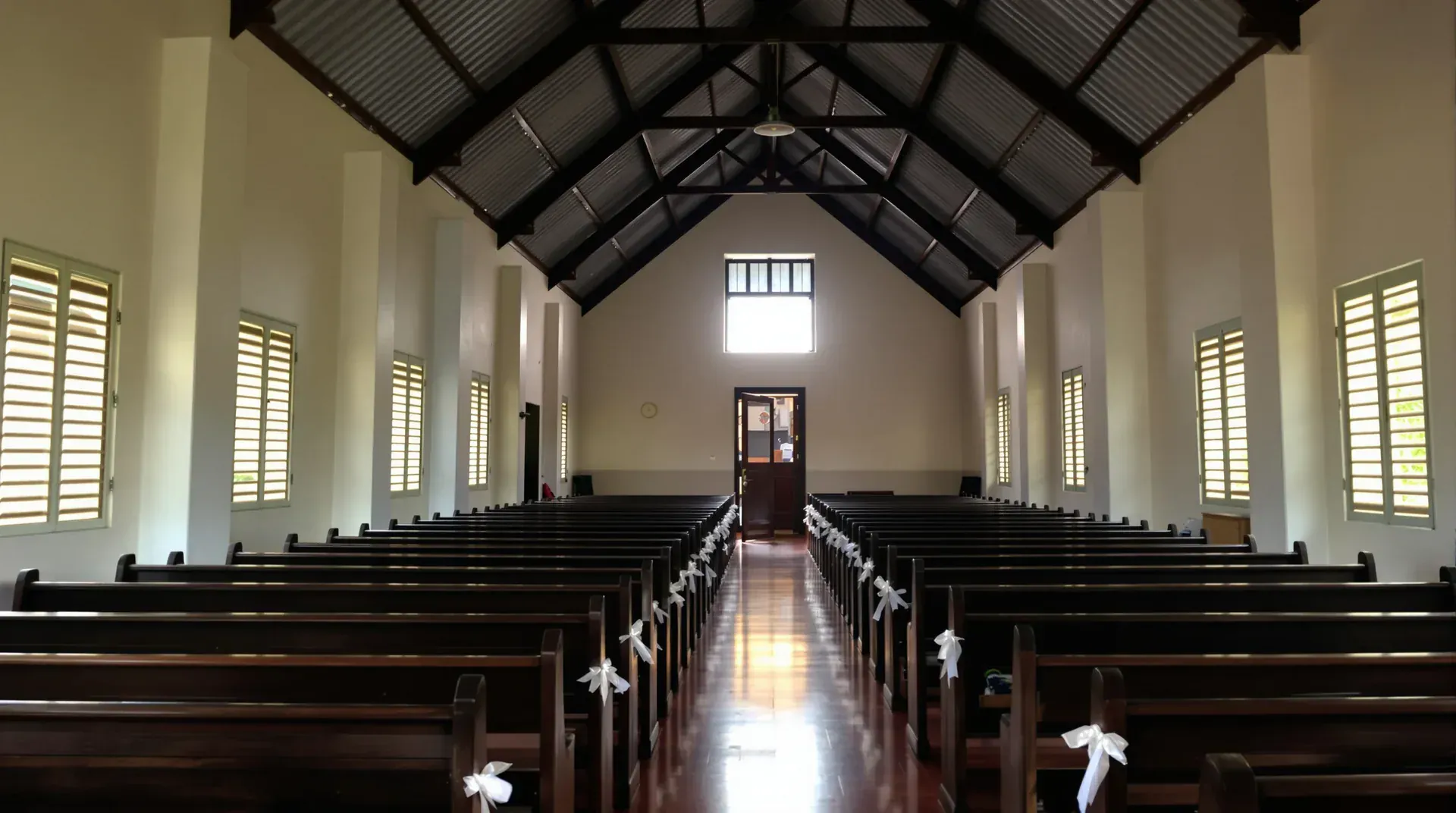
Nobody plans a wedding backwards from a licence expiry date. Everybody should.
The Philippine marriage process is not difficult. It is sequential, and each step has a clock attached to it, and the clocks do not care about the venue deposit you already paid. The couples who have a bad time are almost never the ones who hit a legal wall. They are the ones who did the steps in the wrong order and lost three months.
So here is the order.
Step zero: is she actually free to marry?
This is not a formality and it is where the real casualties happen.
The Philippines has no divorce law. As of 2026 it is, along with Vatican City, the only state on earth that does not provide general divorce for its own citizens. Bills have passed the House of Representatives and cleared Senate committee. The current legislative cycle has come closer than any before it. None of that is law.
What that means in practice:
- •If your partner was previously married in the Philippines to a Filipino citizen, she is still married, however many years ago the relationship ended and however completely. The only exits are a court declaration of nullity or an annulment, both of which are genuine litigation: a lawyer, a psychologist in many cases, court dates, and a bill that runs into six figures in pesos and a timeline measured in years.
- •If she was previously married to a foreigner who has since obtained a valid divorce abroad, Article 26 of the Family Code allows her to remarry. But the foreign divorce must first be judicially recognised by a Philippine court in a separate proceeding, and the civil registrar must annotate the record. Until that annotation exists, she is married as far as the Republic is concerned.
- •Your own history matters too. Divorced abroad? You will need the decree in a form a Philippine registrar accepts, usually apostilled (or consular-legalised if it comes from Germany, Finland or Greece), sometimes translated.
Do this check in month two of the relationship, not month twenty. The document that answers it is the CENOMAR, the Certificate of No Marriage Record issued by the Philippine Statistics Authority. It costs very little, it arrives quickly, and it is the single cheapest piece of clarity available in this entire subject. We said the same thing rather more gently in the piece on how couples here actually meet, but it bears repeating without the gentleness: get the CENOMAR early.
Step one: your legal capacity, and the appointment nobody can get
A Philippine civil registrar will not issue a marriage licence to a foreign national without proof that you are free to marry under your own country's law. The document is generally called a Certificate of Legal Capacity to Contract Marriage, and where it comes from depends entirely on your passport.
- •United Kingdom, Australia, Ireland and most European countries issue a certificate of no impediment, or their national equivalent, through their embassy or through the authorities at home. Germany's Ehefähigkeitszeugnis is the classic example, and it involves the registry office back home rather than the embassy here.
- •United States citizens are a special case, because the US keeps no central marriage registry and therefore cannot certify anything. The US Embassy in Manila instead executes an Affidavit in Lieu of a Certificate of Legal Capacity to Contract Marriage, which Philippine registrars accept in place of the certificate. It is done by appointment at American Citizen Services, in person, for a fee payable in cash.
Book that appointment before you book anything else. Embassy slots are released in small batches and are routinely gone within minutes of appearing. Two to three months of lead time is not paranoid, it is the normal experience of every couple who has done this. The single most common reason a Philippine wedding slips is not paperwork. It is an appointment calendar.
Step two: the licence, and the ten days that surprise everybody
With your legal capacity document and her CENOMAR, you apply together at the Local Civil Registrar of the city or municipality where one of you resides. For most of our clients that is Davao City, which is straightforward, and where residence is proved with exactly the humble document we keep writing about: the Barangay Certificate.
Then two clocks start.
The ten-day posting. Your application is published on a notice board at the registrar's office for ten consecutive days, so that anybody with an objection can raise it. This is not negotiable and it cannot be shortened. Ten days, then the licence issues.
The 120-day licence. Once issued, the marriage licence is valid for 120 days anywhere in the Philippines. Miss that window and you begin again: new application, new posting, new fees, and in most cases a fresh set of supporting documents, because those have their own validity periods too.
If you are under a certain age there are additional consent and counselling requirements, and both parties in most cases attend a pre-marriage counselling or family planning seminar run by the local government. Book it early; the schedules are not daily.
Step three: the ceremony, and who is allowed to perform it
Philippine law is specific about solemnising officers: judges within their jurisdiction, priests, imams and ministers duly authorised and registered, ship captains and aircraft commanders in genuine emergencies, and certain public officials including mayors.
You will need two witnesses of legal age. The officiant registers the marriage with the local civil registrar, which then flows to the Philippine Statistics Authority, and the PSA copy of your marriage certificate is the document the rest of your life will ask for. Order several the moment it becomes available. You will need one for the immigration file, one for the bank, one for your embassy, and one for the drawer.
Step four: register it at home, or it did not happen
A Philippine marriage is valid in most jurisdictions, but valid is not the same as recorded. German, Austrian and Swiss authorities, and many others, expect the foreign marriage to be reported and entered so that it appears in your own civil status record. Skip this and you will discover the gap at the worst possible time, usually when a pension, an inheritance or a residence permit depends on it.
Ask your embassy what they need before the wedding, not after. The answer generally involves the PSA certificate, apostilled, and possibly a sworn translation. Germany, Finland and Greece are the exceptions: they objected to the Philippines joining the Apostille Convention, so they want the PSA certificate authenticated by the DFA and then legalised by their embassy in Manila.
And then the good news
Everything above is friction. Here is what it buys.
Marriage to a Philippine citizen opens the 13A, which is a non-quota immigrant visa: permanent residency by right of marriage, at government fees that are a rounding error compared to every deposit-based route in the country. It grants something almost nothing else here grants, which is the right to work in the Philippines without a separate permit.
It comes in two stages, a probationary year followed by conversion to permanent status, and it carries the annual obligation that catches people out every single year. The full mechanics are on the 13A page, and the obligation itself we covered in the Annual Report piece.
Compared with the deposit-based alternatives, the arithmetic is not close. The SRRV requires between USD 15,000 and USD 50,000 sitting in a Philippine bank depending on your age and pension status. The 13A requires a marriage certificate and a clean record. If you are genuinely married, it is the most efficient residency in the country, and it is not close.
A short word about the part that is not paperwork
Filipino weddings are large. Larger than you are expecting, and larger than the guest list you agreed to. The family will invite people. Those people will bring people. This is not a failure of planning, it is the point of the event, and the number of guests is a statement about the standing of both families.
You will be asked to have ninongs and ninangs, principal sponsors, who are not decorative. They are witnesses in a social sense, chosen for their standing, and being asked is an honour with obligations attached. If your side of the church looks thin, that is normal and nobody will comment. They will simply fill it.
Budget accordingly, emotionally as well as financially, and read what a Filipino family expects before you have opinions about the guest list.
The sequence, one more time
CENOMAR first. Legal capacity document second, with the embassy appointment booked months ahead. Licence application third, at the registrar where one of you actually lives. Ten days of posting. Then a wedding, inside 120 days. Then the PSA copy, then the registration at home, then the 13A.
Do it in that order and this is a pleasant few months. Do it in any other order and it is a year.
If you would rather have somebody in Davao who has walked this route many times handle the document chain, that is precisely what our team does.
Ready to build your Davao base?
Order services directly, or book a call with Tim to discuss your situation first.